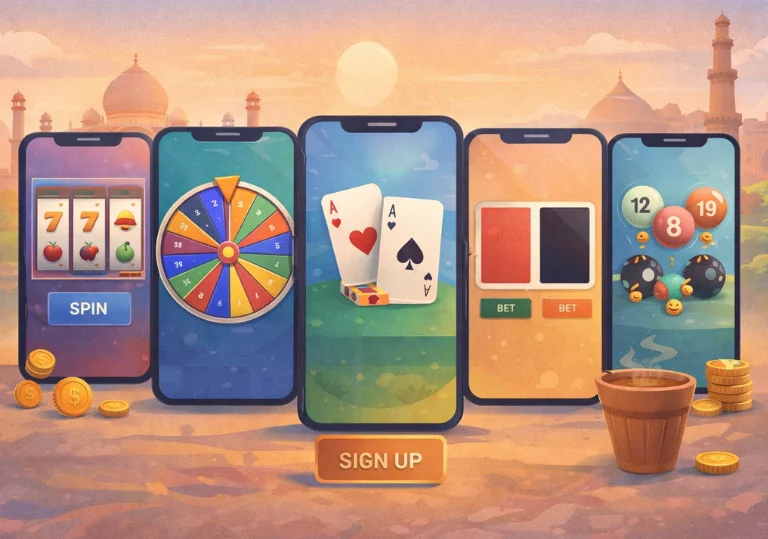
Yono games have quietly shaped how many people expect mobile apps to feel, even if they can’t explain why.
People don’t usually explain why an app feels comfortable to use. They just notice when it doesn’t.
A screen loads too slowly. A button doesn’t respond. A flow feels longer than it needs to be. Small things, but they add up. Most users won’t complain. They’ll just stop opening the app.
That’s the background context where Yono Games matter.
Not as a feature set. Not as a template to copy. But as a quiet reference point that has shaped how many users expect certain mobile interactions to behave. Spin101App operates in that same expectation space, whether intentionally or by necessity.
This article looks at how those familiar design patterns influence Spin101App’s user experience and engagement. No hype. No promises. Just observable behavior and design logic.
Why Yono Games Became a Reference Point
These apps didn’t become familiar because they were impressive.
They became familiar because they were easy to repeat.
Most of them rely on:
- Short interaction cycles
- One clear action per screen
- Immediate feedback
- Predictable outcomes
Over time, users internalize these patterns. They stop thinking about them. But they do notice when another app breaks those expectations.
By the time a user opens Spin101App, they already bring those habits with them. That’s where the influence begins.
Familiarity and First Impressions
First impressions don’t need to be exciting. They need to be clear.
Layout Recognition Reduces Effort
Many users arrive with an assumption about where things should be. A main action stands out. Secondary options stay quiet. Navigation doesn’t move around.
Spin101App benefits when it aligns with this mental model. Users don’t pause to figure out what to do. They recognize the structure and move forward.
That recognition lowers cognitive load. And lower effort almost always improves engagement.
Familiar Patterns, Fewer Mistakes
When layouts feel familiar, users tap with confidence. They make fewer errors. They don’t hesitate before acting.
That sense of ease isn’t accidental. It’s the result of using interaction patterns users already understand.
Interaction Rhythm and User Flow
Short Loops Feel Manageable
One common trait of these apps is the use of short, contained interaction loops:
- Action
- Response
- Confirmation
- Reset
Spin101App reflects this approach by avoiding long, drawn-out processes. Even simple actions feel complete. Users know when something has ended and when they can move on.
That sense of closure matters more than speed.
Feedback Builds Trust
Immediate feedback doesn’t need to be dramatic. Often it’s just a visual change, a brief message, or a subtle transition.
What matters is acknowledgment.
Spin101App mirrors this expectation by responding clearly when users interact. When feedback is delayed or unclear, uncertainty creeps in. When it’s timely, users relax.
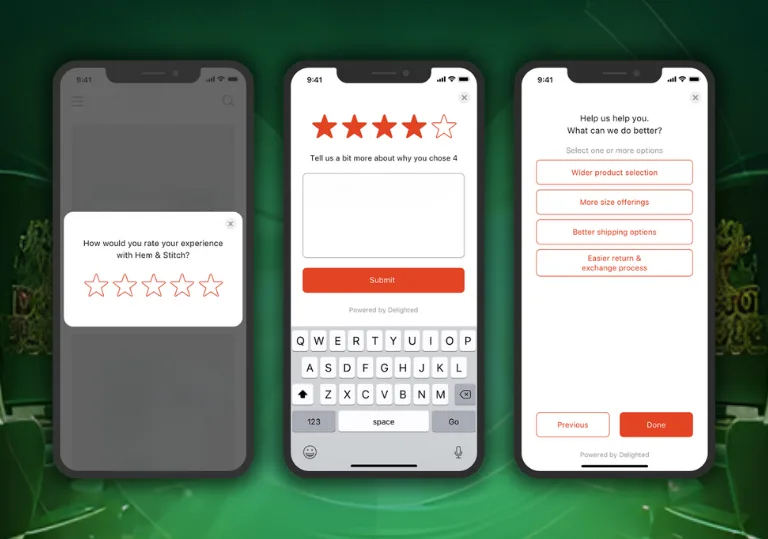
In many mobile platforms built around short, repeatable interactions, users tend to recognize the flow almost immediately. A clear primary action, limited choices on each screen, and quick visual feedback are patterns that appear again and again. You can see similar layout and interaction choices reflected on the Spin To Win app site, where the interface relies on familiar structures to guide users without heavy explanation. These shared patterns help explain why users often feel comfortable moving between different platforms with minimal adjustment.
Visual Simplicity Over Decoration
Clear Before Creative
Many similar platforms prioritize clarity over visual experimentation. The screens aren’t crowded. The text is short. Space is used intentionally.
Spin101App benefits from this restraint. When one action stands out, users don’t need guidance. They instinctively know where to look.
Visual calm supports longer sessions because it reduces fatigue. Nothing competes for attention.
Consistency Across Screens
Predictability extends beyond layout. Buttons behave the same way everywhere. Colors mean the same thing from screen to screen.
When behavior stays consistent, users don’t feel surprised. And surprise, in most apps, isn’t a good thing.
Confidence Without Tutorials
Learning Through Use
Many users skip tutorials. They want to explore, not read.
Apps built around short interactions often teach through action instead. The first screen shows what matters. The second reinforces it.
Spin101App follows this same philosophy. Features appear gradually. Explanations are brief and optional. Users feel capable early on.
That early confidence plays a quiet role in retention.
Language That Explains, Not Persuades
Plain Words, Clear Meaning
Another subtle influence is language choice. Labels are simple. Instructions explain what’s happening without trying to sell an idea.
Spin101App uses similar phrasing. Text exists to clarify, not to convince. There’s no pressure in the wording, and no implied outcomes.
This neutral tone supports trust. Users don’t feel pushed or misled.
Engagement Without Urgency
Calm Experiences Can Still Hold Attention
Engagement doesn’t always come from excitement. Sometimes it comes from not feeling overwhelmed.
Spin101App reflects this by keeping interactions steady and manageable. There are no sudden demands for attention. No artificial urgency.
Users stay engaged because the experience feels stable.
Small Signals of Progress
Status changes, confirmations, and transitions provide just enough feedback to show movement. Nothing more.
These signals acknowledge action without creating expectation. That balance keeps the experience grounded and predictable.
Where the Influence Stops
It’s important to draw a clear boundary.
Spin101App is not a copy of Yono Games. The influence is structural, not functional.
What carries over:
- Interaction pacing
- Layout logic
- User expectations
What doesn’t:
- Specific mechanics
- Branding
- Feature sets
Users tend to notice when an app borrows patterns responsibly versus when it imitates without purpose.
Why This Matters Over Time
Over time, users gravitate toward apps that respect their attention.
Apps that feel predictable and easy to navigate fit more naturally into routines. They don’t demand learning. They don’t create friction.
That’s the long-term value of familiar design patterns. They support continued use without relying on novelty.
Final Thoughts
The influence of Yono Games on Spin101App’s user experience isn’t obvious. Most users wouldn’t name it, and they wouldn’t need to.
That familiarity shows up when the app behaves as expected, when nothing feels confusing, and when using the app doesn’t require effort.
In modern mobile design, that quiet familiarity often matters more than constant innovation.
Sometimes, the best experience is the one that stays out of the way.
User experience is often shaped by familiar patterns rather than dramatic features. Over time, people learn how apps should behave, where actions should appear, and what kind of feedback feels reassuring. We’ve explored this idea in more detail in how familiar app design shapes user experience, looking at how common interaction habits influence engagement across platforms.
FAQ
They are mobile apps built around short, simple interactions that are easy to understand and predictable in behavior.
They shape expectations around clear layouts, limited choices, and quick feedback after each action.
No. The influence is indirect and limited to general design patterns, not specific features or mechanics.
Familiar designs reduce effort. When users don’t need to figure things out, they’re more likely to keep using the app.
Yes. Simple and predictable experiences tend to fit more easily into a user’s routine over time.