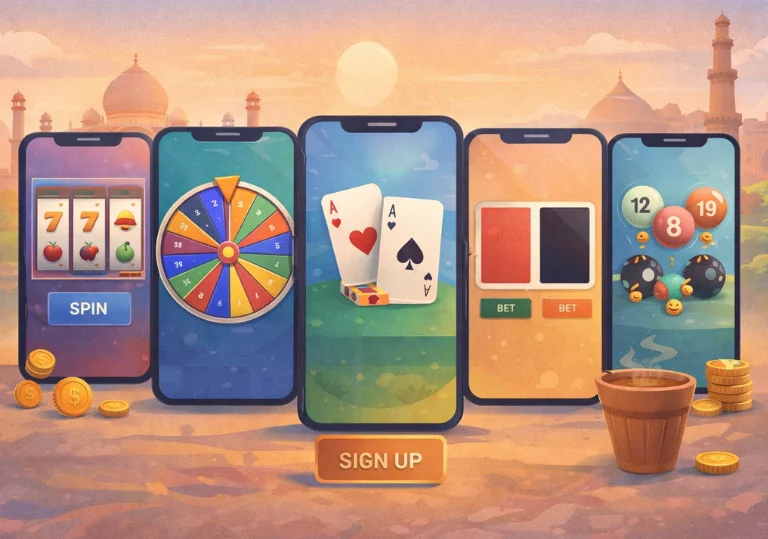
When someone types Yono all games into a search bar, they’re usually looking for a straight answer. What’s inside the platform? How are the games organized? What should a new user expect after logging in?
Nothing dramatic. Just clarity.
The phrase itself doesn’t describe one single game. Instead, it refers to the full collection of game formats currently available within the Yono platform. When users open the official app or log in through the website, they see a dashboard with different categories. That visible list — at that moment — is what most people mean when they search for it.
It’s also important to understand that this list can change. Platforms update over time. Some formats are added. Others are removed or adjusted. So any explanation outside the official app should be seen as general guidance rather than a fixed catalog.
How the Platform Is Structured
Most multi-format platforms follow a similar structure. Instead of presenting everything in one long list, games are grouped into categories. This makes navigation easier and helps users understand what type of format they are entering.
After logging in, users typically land on a home screen. From there, they can move to the games section, view activity history, check account details, or review other settings. The layout is usually simple. Clear icons. Visible timers. Minimal clutter.
It’s designed to be understood quickly.
Common Game Categories You May See
Although the exact lineup may vary, certain types of formats are commonly found inside platforms like this.
One group often includes card-based games. These usually operate with defined rules, round-based participation, and structured outcomes. Some involve multiple participants, while others function individually. Even if a format appears familiar, the digital version may have its own variations. That’s why reading the rules inside each game is useful. Small details can change how a round works.
Another common category includes number-oriented formats. These often run in short cycles. A countdown timer appears, participation closes when the timer ends, and results are displayed afterward. The pace can feel quick at first. For new users especially, the timing may seem fast. After observing a few rounds, though, the pattern becomes clearer. Watching the timer carefully is part of understanding how these formats operate.
In addition, some versions include short mobile-friendly games that rely on simple interaction. These may involve reaction speed, basic pattern recognition, or straightforward tapping actions. They are usually brief and designed to run smoothly on standard Android devices. Nothing overly complex. Just clean, compact gameplay built for mobile screens.
There are also time-scheduled participation formats that follow fixed intervals throughout the day. A round opens, a countdown begins, entry closes at zero, and results are declared at a set time. If someone misses one round, another typically follows. Because these formats depend on timing, a stable internet connection helps avoid interruptions or delayed result displays.
Accessing the Full Game List
Access generally begins with registration. Most users sign up using a mobile number and verify it through an OTP process. Once basic profile details are completed, the main dashboard becomes available, where users can explore the full range of Yono all games and available categories.
That dashboard shows the active categories. In practical terms, this is the complete game list at that time. Users can review the latest updates directly on the Spin101 official platform, where the homepage provides access to current sections and navigation details.
For security reasons, it’s important to download the application only from verified sources and avoid sharing login credentials. OTP codes, in particular, should always remain private. These are standard digital safety habits, but they matter.
From a technical perspective, device requirements are usually moderate. Most versions are optimized for Android devices running common operating systems. A stable internet connection tends to be more important than high-end hardware, especially for formats that operate in real time.
Why Reading the Rules Still Matters
It’s easy to skip instructions when a platform looks simple. Many users do.
However, each format inside the system may function differently. Two games that look similar on the surface might follow slightly different timing structures or calculation methods. Taking a moment to read the rule section helps clarify how participation works, how results are determined, and where those results will appear within Yono all games.
That small step often prevents confusion later.
Changes and Updates Over Time
No digital platform stays exactly the same forever. Game formats may rotate. Layouts may adjust. Timers may be modified.
Because of this, external lists or third-party descriptions may not always reflect the current version of the platform. The most accurate reference point remains the official dashboard itself.
If something appears different from what was previously described online, it may simply be part of a routine update.
Activity History and Record Tracking
Most versions include a history section where users can review past rounds and timestamps. This feature provides a record of previous activity and helps users understand scheduling patterns.
It’s not the most eye-catching section of the platform, but it is practical. Reviewing history can clarify how rounds are structured and when results were declared. Quietly useful, even if it doesn’t stand out at first glance.
Responsible Use and Time Awareness
Digital platforms are designed to hold attention. That’s part of how apps function in general.
Setting personal time limits can help maintain balance. Short breaks between sessions make a difference. Even brief rounds can feel longer than expected when someone is focused on a screen.
Awareness of time keeps usage more manageable.
Final Thoughts
In simple terms, Yono all games describes the full collection of formats currently available inside the platform. It is not a single title but an organized set of categories that may include card-based games, number-oriented rounds, and short mobile formats.
The lineup can evolve. The structure, however, remains straightforward.
Users log in, review the available categories, read the rules, and follow the timing displayed on the screen. Most people searching for this term are simply looking for that overview — a clear understanding of what exists and how it functions.
And once the structure is understood, the rest becomes easier to navigate.
Frequently Asked Questions
It refers to the complete list of game formats available inside the platform at a specific time. The lineup may change due to updates or system adjustments.
Yes. Platforms may add new formats, remove older ones, or adjust structures. The in-app dashboard reflects the most current version.
Availability can depend on region, app version, or temporary maintenance. If a format is missing, it may return after updates are completed.
Most versions provide a history section that displays timestamps and declared results. This section serves as a reference for past activity.
In most cases, standard Android devices with stable internet connections are sufficient for smooth use.
It depends on the specific game. Some involve reaction speed or rule-based interaction. Others operate using structured system-generated outcomes. The rules section within each format explains how it works.