Spin-based systems don’t look complicated. You tap once. Something spins. A result appears. It’s over almost as soon as it starts. Because of that, many people chasing a spin winner moment don’t slow down enough to think about what they’re doing. They spin, react, and move on.
But if you watch long enough, something interesting happens.
Some users don’t seem rushed. They’re not constantly talking about outcomes, good or bad. They just seem… steadier. Less frustrated. More comfortable with how things play out. Those users are often labeled spin winners, even though nothing about the system itself is treating them differently.
So what’s actually going on?
This isn’t about secrets or hidden mechanics. It’s about habits. Small ones. The kind that don’t look impressive, but add up over time.
What “Spin Winner” Really Refers To
The phrase spin winner sounds bigger than it usually is.
It doesn’t mean someone wins every spin. It usually means someone understands the limits of the system and doesn’t fight them. They know when to engage. They know when to pause. And they know when to stop without feeling like they’re missing out.
That last part matters more than people expect.
At the beginning, most users think success comes from repetition. Spin again. Maybe once more. Surely persistence counts for something. Eventually, that assumption wears thin. Awareness replaces it.
And awareness changes behavior.
How Spin-Based Systems Tend to Work
Across different platforms, spin systems are surprisingly similar.
Most rely on:
- A set list of outcomes
- Probability-based results
- Daily or timed limits
- Rules that stay mostly fixed
A lucky winner spin doesn’t come from pushing harder or spinning faster. It usually happens when someone engages within those boundaries instead of brushing past them.
If you want a simple reference point for how these systems are commonly set up, a spin-based app overview can help put the mechanics into context.
Once users understand the structure, they usually calm down a bit. And that calm sticks.
Spin Winner Habits Start With Watching First
One thing experienced users almost always do is pause.
They look around the system before they spin. Not deeply. Not obsessively. Just enough to notice things like resets, limits, or whether all options are currently available.
It doesn’t improve odds. It prevents wasted effort.
And avoiding wasted effort quietly improves everything else.
That Small Pause Makes a Difference
Without a pause, spinning becomes automatic. Habitual. Emotional.
With a pause, it becomes intentional.
People who slow down for even a few seconds are less likely to spin when outcomes are already restricted or limits are close. Over time, that one habit separates casual use from deliberate use.
Not dramatically. Just consistently.
Timing Matters, Just Not Magically
Timing gets talked about a lot. Sometimes too much.
Yes, spinning after a reset can help. Yes, spinning late in a cycle might limit options. That’s real. But timing doesn’t unlock special outcomes or turn someone into a super spin winner.
What timing really does is remove friction. It makes sure you’re not working against the system.
That’s it. No mystery.
Consistency Beats Impulse Almost Every Time
Another pattern shows up if you pay attention.
People who spin calmly, at roughly the same times, tend to enjoy the experience more. They’re not reacting to frustration or excitement. They’re just engaging, then moving on.
Impulse looks busy, but it usually leads to limits being hit faster and expectations rising too quickly.
Consistency keeps things flat. And flat is often better.
Why Routine Often Works Better Than Frequency
Spinning more can feel like doing more. But it often just means running into limits sooner.
A simple routine creates clarity. When spins happen at regular intervals, users start to understand how the system behaves. They stop guessing. Expectations settle.
That calm understanding lasts longer than excitement ever does.
Expectations Shape the Experience More Than Results
This part sneaks up on people.
Spin systems don’t reward persistence. Repeating the same action doesn’t usually change outcomes. When users expect frequent success, frustration builds quietly in the background.
Long-term users expect something else entirely.
They expect long gaps. Ordinary results. Occasional surprises.
When something notable happens, it feels lighter. Not overdue. Not owed.
Just… nice.
The Psychology Behind a Lucky Winner Spin
When a lucky winner spin happens, it feels personal. It’s easy to think it meant something.
But randomness doesn’t keep score.
People who stick around long enough understand that. They don’t read into streaks. They don’t chase the feeling. Each spin stands on its own.
That emotional distance is underrated. It protects people from turning curiosity into pressure.
Looking at Behavior Instead of Outcomes
After a spin, experienced users don’t replay the result over and over. They glance at their behavior instead.
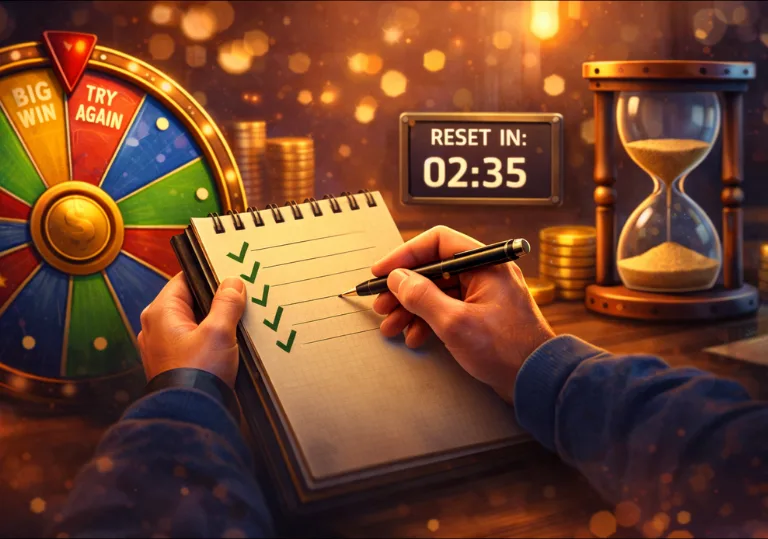
Was I rushing?
Was this near a limit?
Did I know what state the system was in?
Then they move on.
No spiraling. No self-blame. Just a small adjustment and done.
What “Winning Big” Usually Means Over Time
“Winning big” sounds dramatic, but it rarely looks dramatic in practice.
For most long-term users, it means fewer wasted spins. Less irritation. More predictable engagement. That’s it.
A super spin winner moment stands out precisely because it isn’t expected. It’s a highlight, not a goalpost.
That difference keeps things balanced.
Why Listening to Other Users Helps
Communities tend to figure things out faster than individuals.
Over time, most conversations land in the same place:
- No guaranteed methods
- Emotions matter more than people think
- Patience lasts longer than excitement
People who take that in early adjust smoothly. People who don’t often repeat the same cycle.
What Long-Term Spin Winners Tend to Do
They don’t do anything flashy.
Randomness is accepted rather than fought.
Limits are treated as boundaries, not obstacles.
Their pace stays measured, even when results are uneven.
And when it’s time to stop, they stop—no extra spin, no pressure.
Short-term users usually push until something breaks. Long-term users don’t.
That’s the difference.
Final Thoughts
There aren’t any hidden switches here.
Spin winner habits aren’t about control. They’re about awareness, pacing, and staying calm enough not to fight the system. A lucky winner spin often shows up when expectations are low and engagement feels light. A super spin winner moment feels better when it wasn’t demanded.
Most people learn this slowly.
The ones who learn it early tend to stay longer.
And that’s usually enough.
Frequently Asked Questions
A spin winner is someone who receives a favorable result from a spin-based system. It doesn’t imply control or consistent success.
No. Spin outcomes follow predefined rules and randomness. Guarantees aren’t part of the design.
Timing can help around resets or limits, but it doesn’t remove randomness or ensure outcomes.
It’s an informal way to describe a rare result. It doesn’t indicate a special method or status.
Generally, no. Skill influences how spins are used, not how results are calculated.